Non-physical pressure difference in an annular porous media zone (Pipe Flow)
Posted: Mon May 11, 2026 10:32 am
Hi everyone,
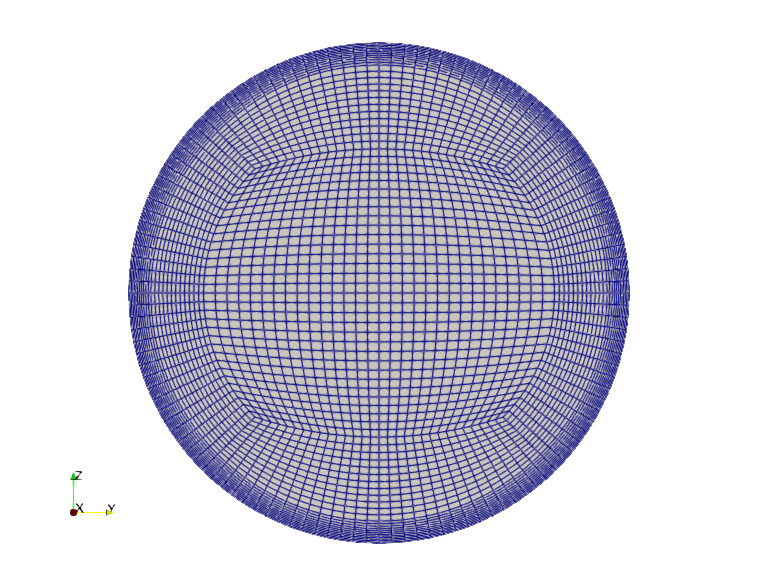
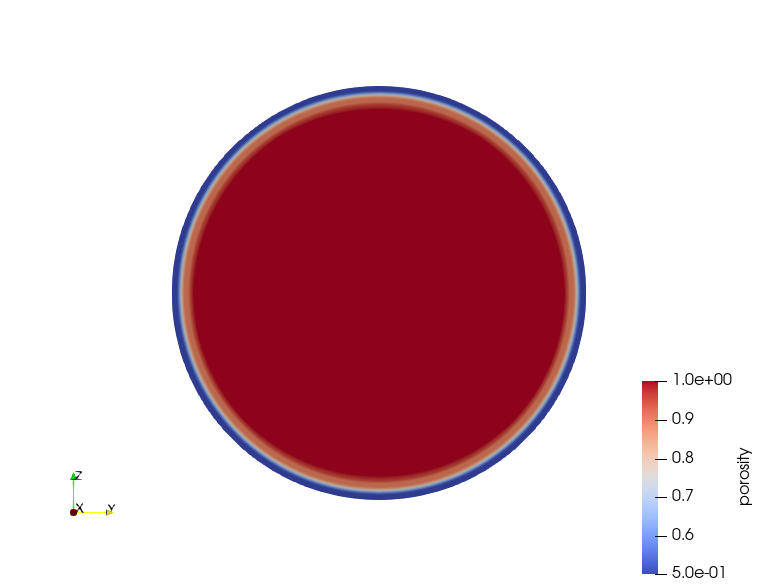
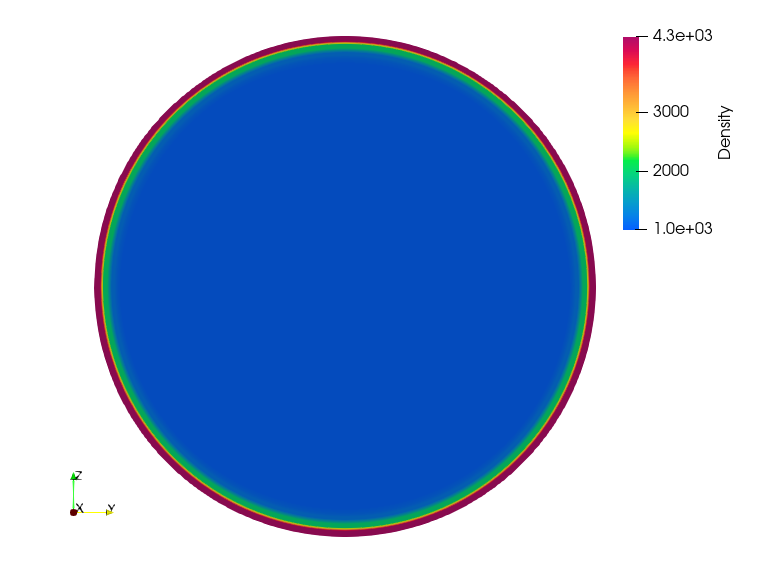
I am currently simulating flow through a circular pipe where an annular porous zone is implemented along the interior wall.
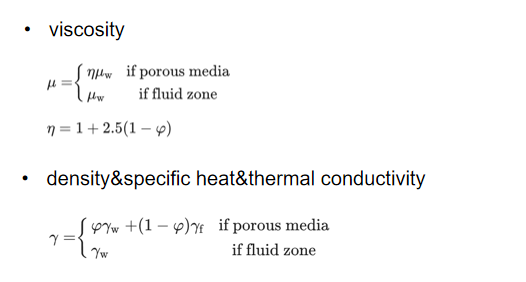
I have defined the physical properties of the porous region using the following formulas:
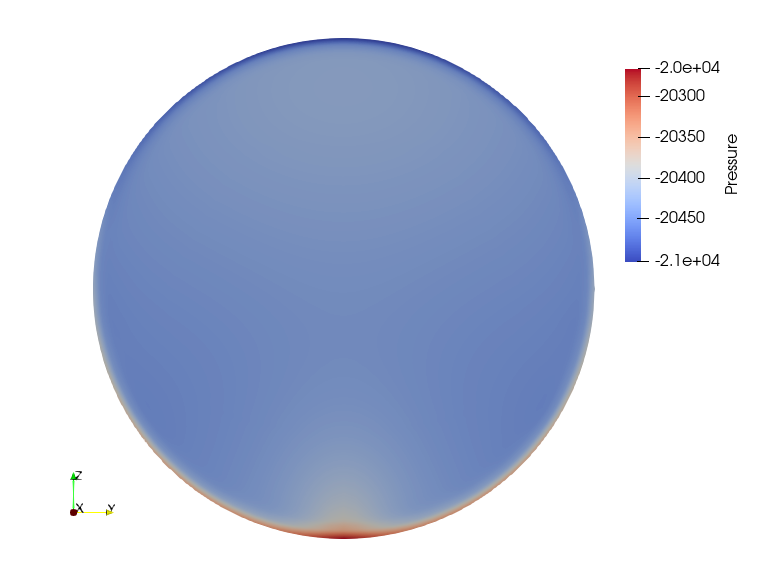
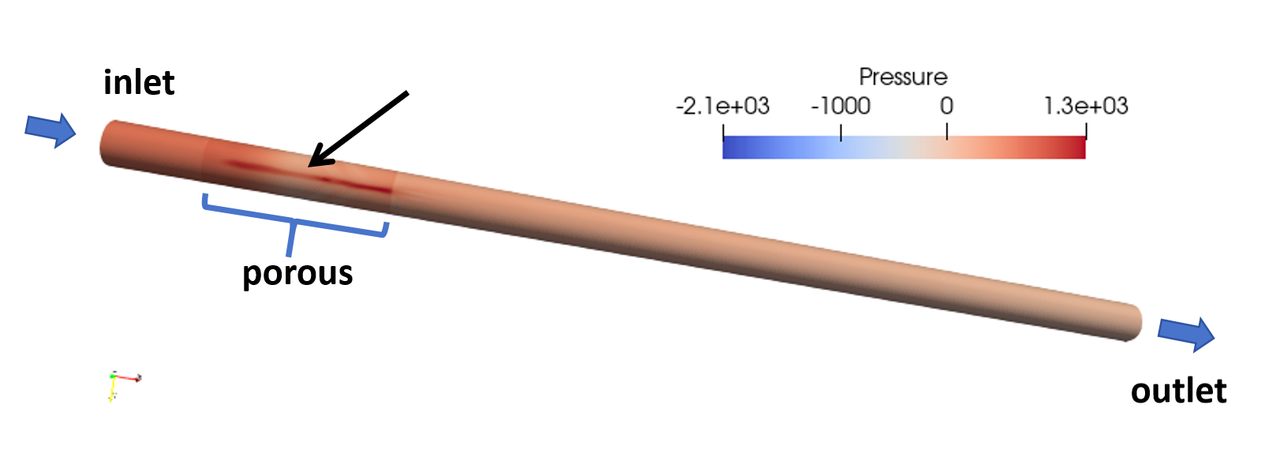
My results show a significant and localised pressure difference between a specific section of the annular porous region and the main flow area.It appears that the flow resistance in one particular part of the porous zone is excessively high, resulting in very low velocities in that area. This localized pressure gradient is forcing the fluid to divert toward the opposite side of the pipe, causing an asymmetrical flow pattern.
I have applied uniform physical parameters to the entire annular region but why only a small portion of the porous zone exhibits this high resistance while the rest behaves as expected. What could be causing this localized high resistance despite uniform property settings? (Could it be a mesh resolution issue?) Should I consider adding specific source terms to stabilize the pressure at this location, or is there a more fundamental way to address this? Any insights or suggestions would be greatly appreciated. Thanks!
I am currently simulating flow through a circular pipe where an annular porous zone is implemented along the interior wall.
I have defined the physical properties of the porous region using the following formulas:
My results show a significant and localised pressure difference between a specific section of the annular porous region and the main flow area.It appears that the flow resistance in one particular part of the porous zone is excessively high, resulting in very low velocities in that area. This localized pressure gradient is forcing the fluid to divert toward the opposite side of the pipe, causing an asymmetrical flow pattern.
I have applied uniform physical parameters to the entire annular region but why only a small portion of the porous zone exhibits this high resistance while the rest behaves as expected. What could be causing this localized high resistance despite uniform property settings? (Could it be a mesh resolution issue?) Should I consider adding specific source terms to stabilize the pressure at this location, or is there a more fundamental way to address this? Any insights or suggestions would be greatly appreciated. Thanks!